
Fluid Attacks — Redesigning a Cybersecurity SaaS Platform
Transforming an engineer-built security tool into a user-centered SaaS product — with measurable impact on customer satisfaction.
Impact
Context
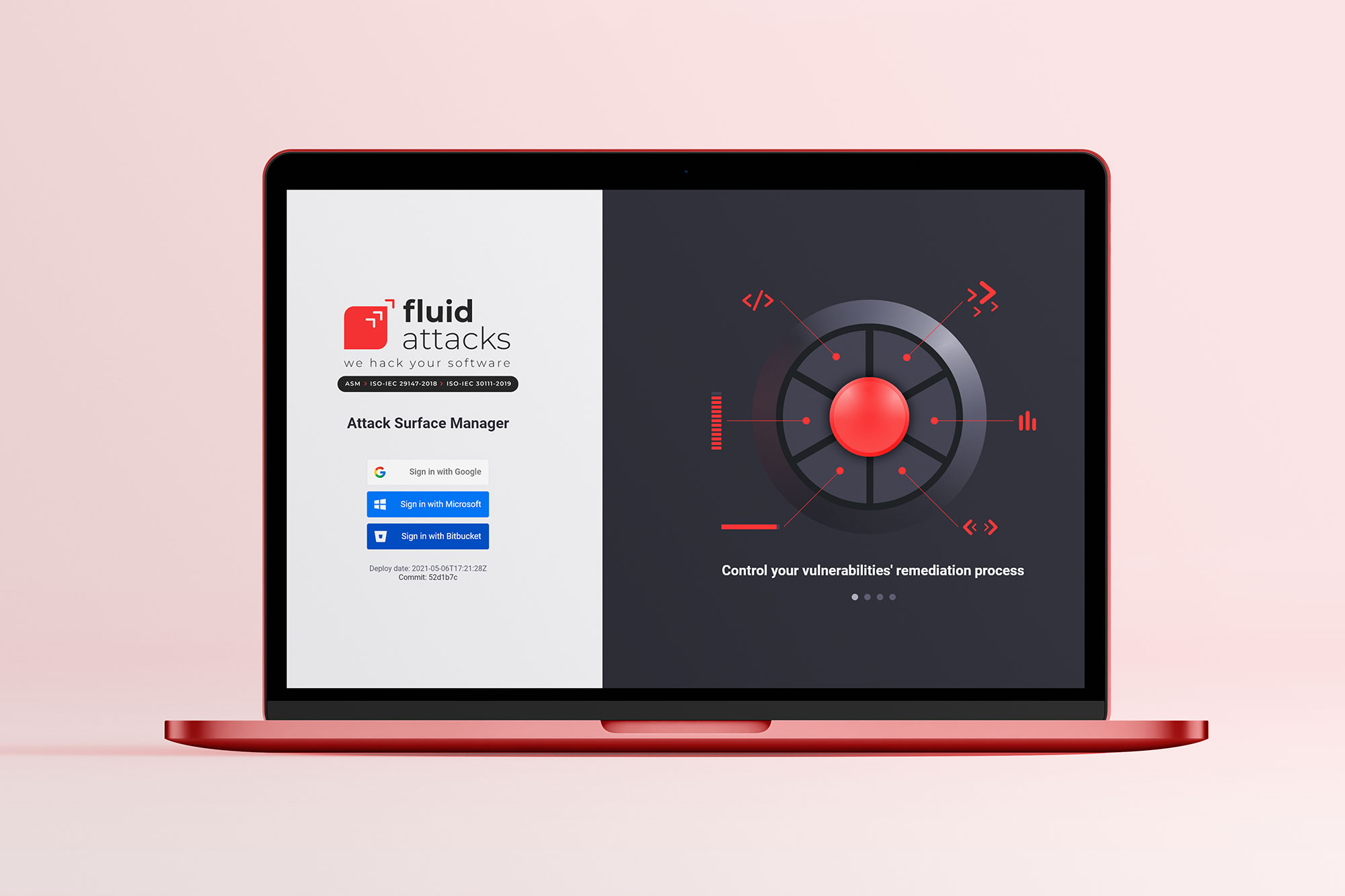
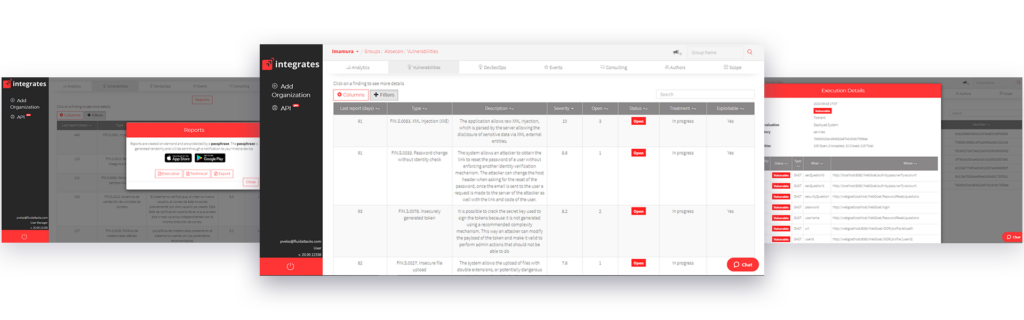
Fluid Attacks is a Colombian cybersecurity company specializing in penetration testing and vulnerability management under a SaaS model. Their core product — the Attack Surface Manager (ASM) — allows security teams to detect, track, and manage vulnerabilities across digital systems.
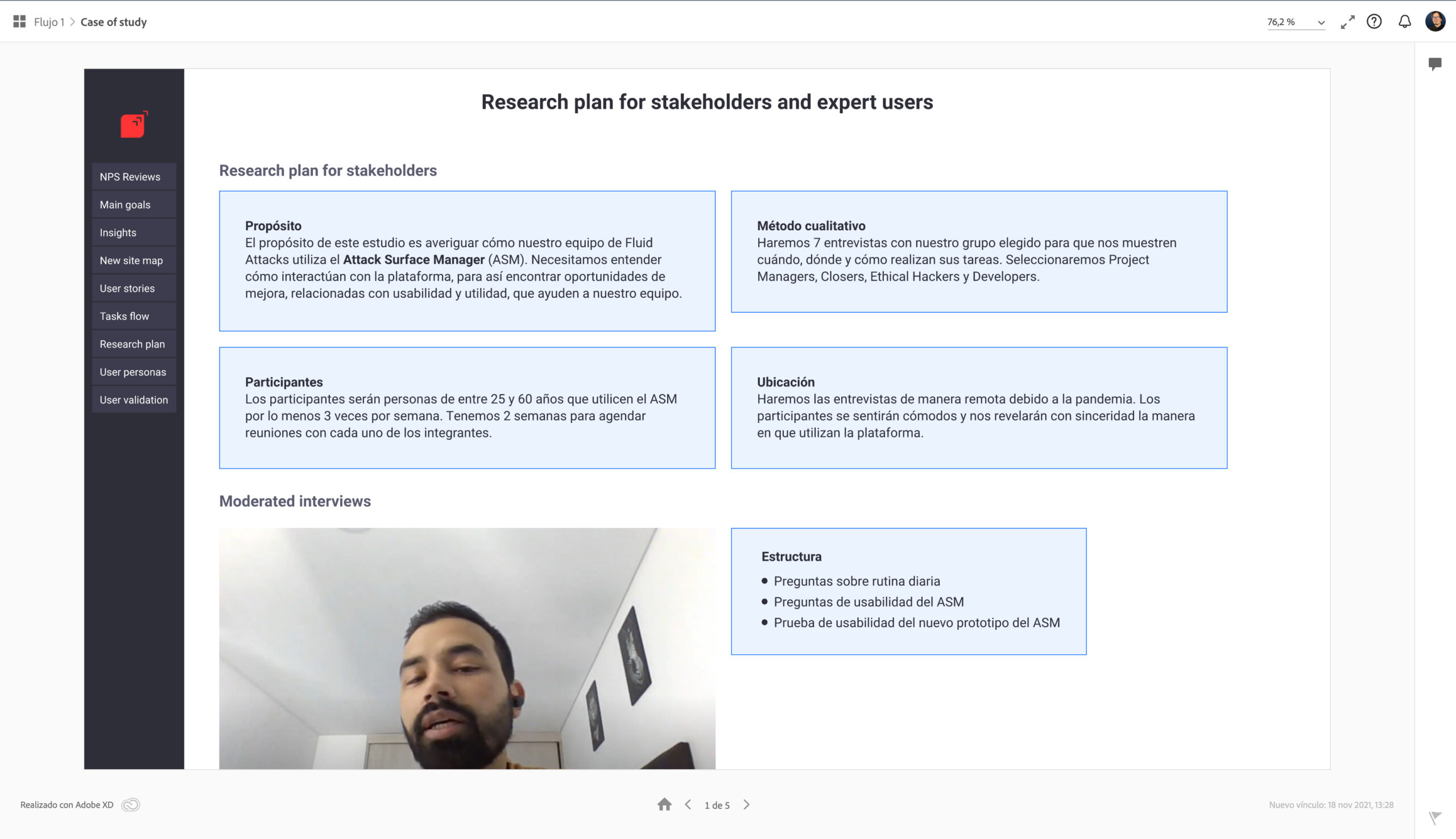
When I joined in 2019, the ASM was a technically functional but deeply unusable product. It had been built entirely by engineers, with no UX research, no design system, and no usability testing in place. The interface was inconsistent, navigation was confusing, and users were generating support tickets at a high rate.
Problem
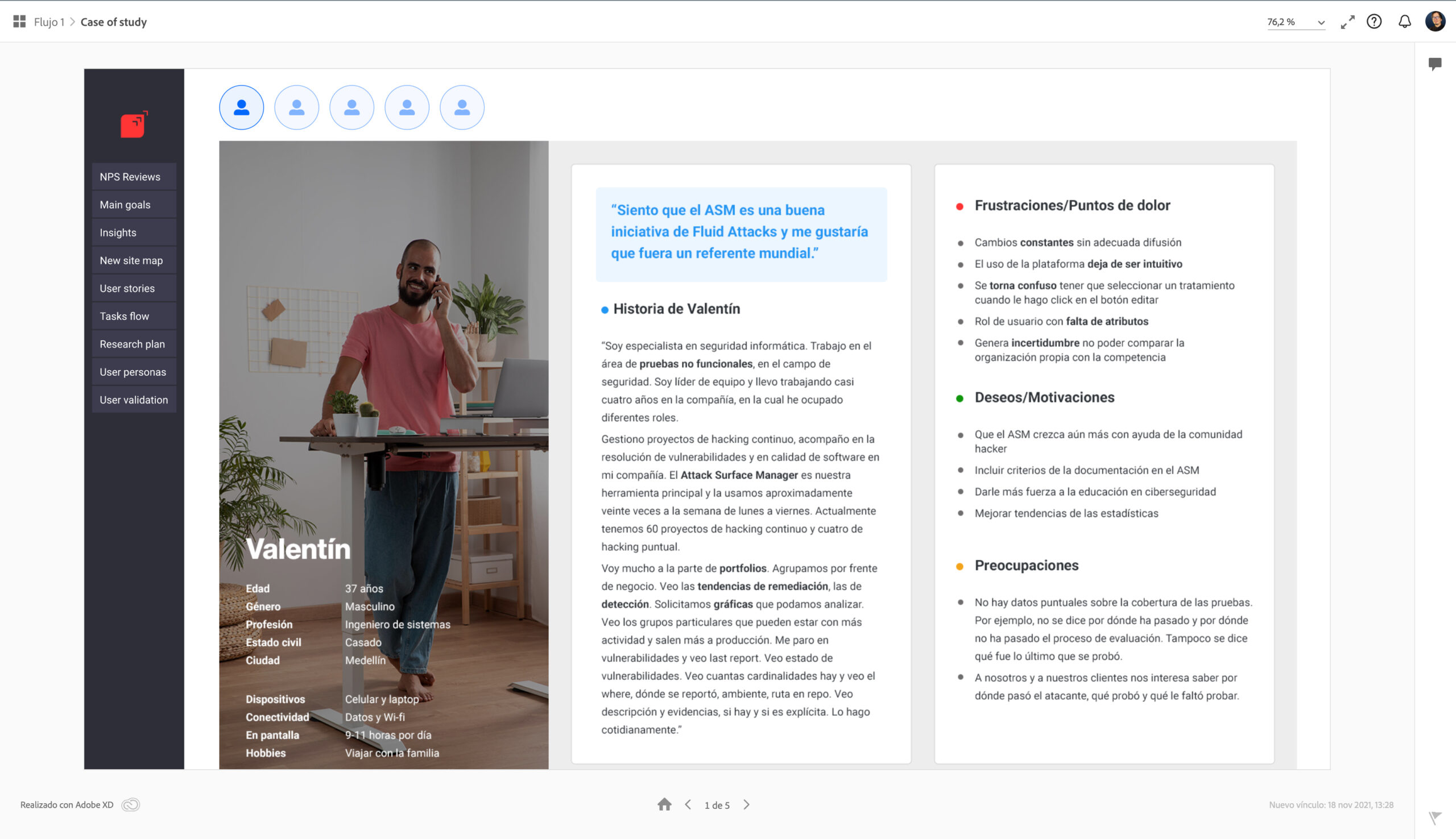
The ASM served technically sophisticated users — security analysts and DevSecOps teams — who needed to manage vulnerabilities efficiently under real operational pressure. Despite their expertise, users were failing basic tasks.
Key challenges identified:
Without a structured design approach, the product risked losing clients and increasing churn.
My role as a UX/UI Designer
Responsible for:
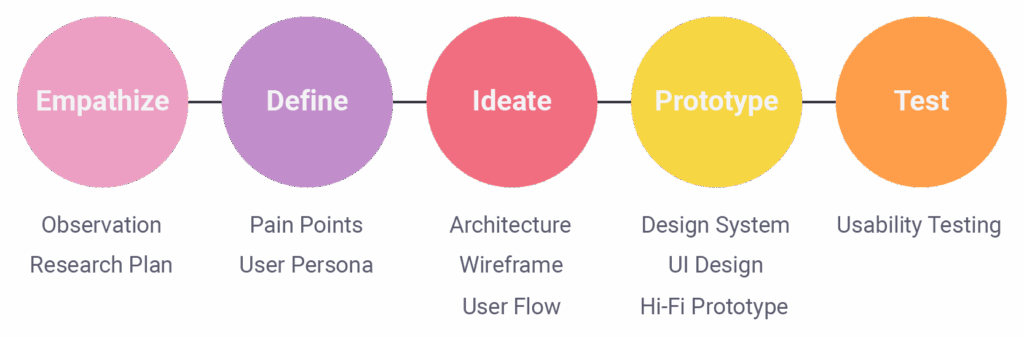
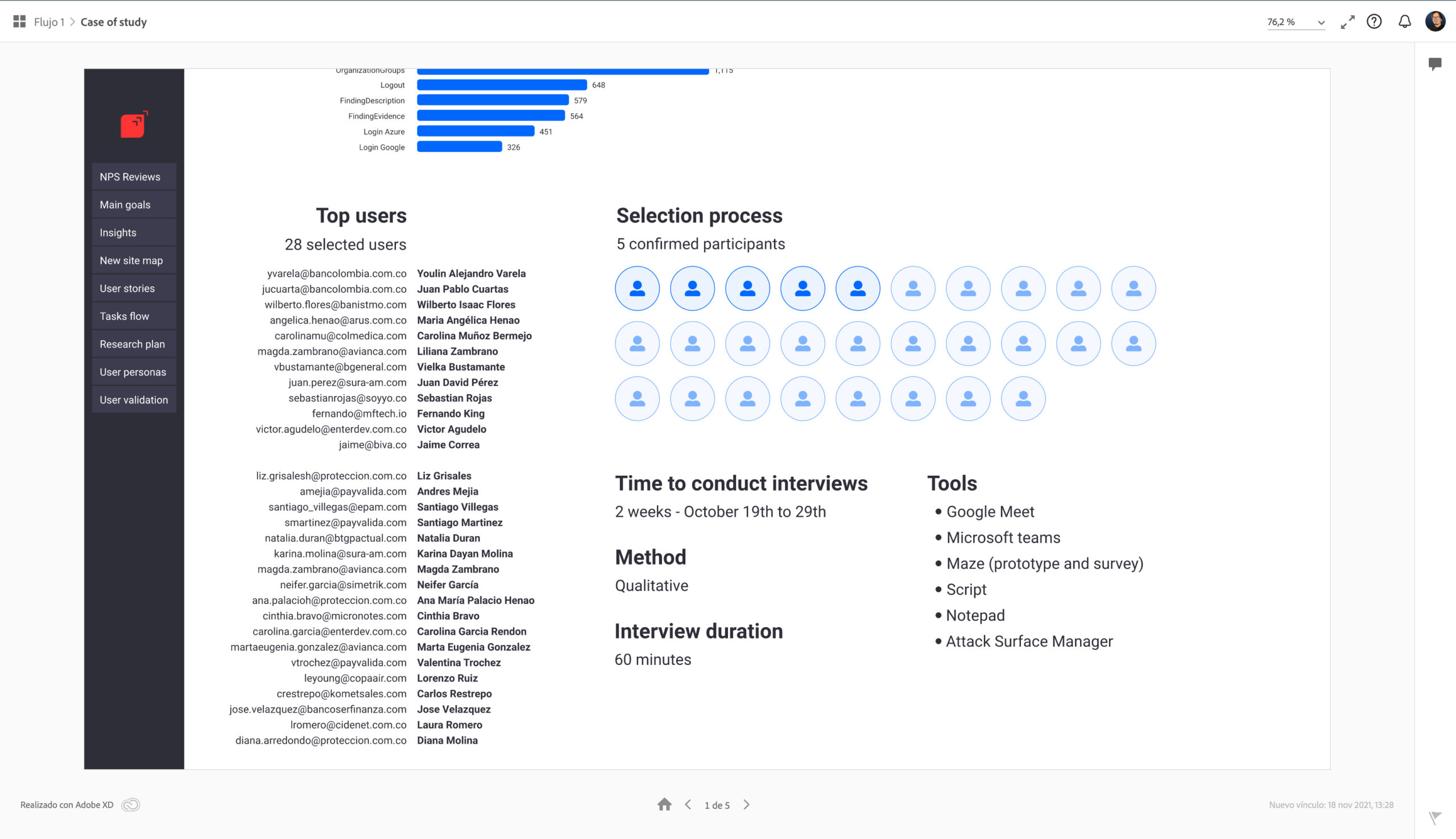
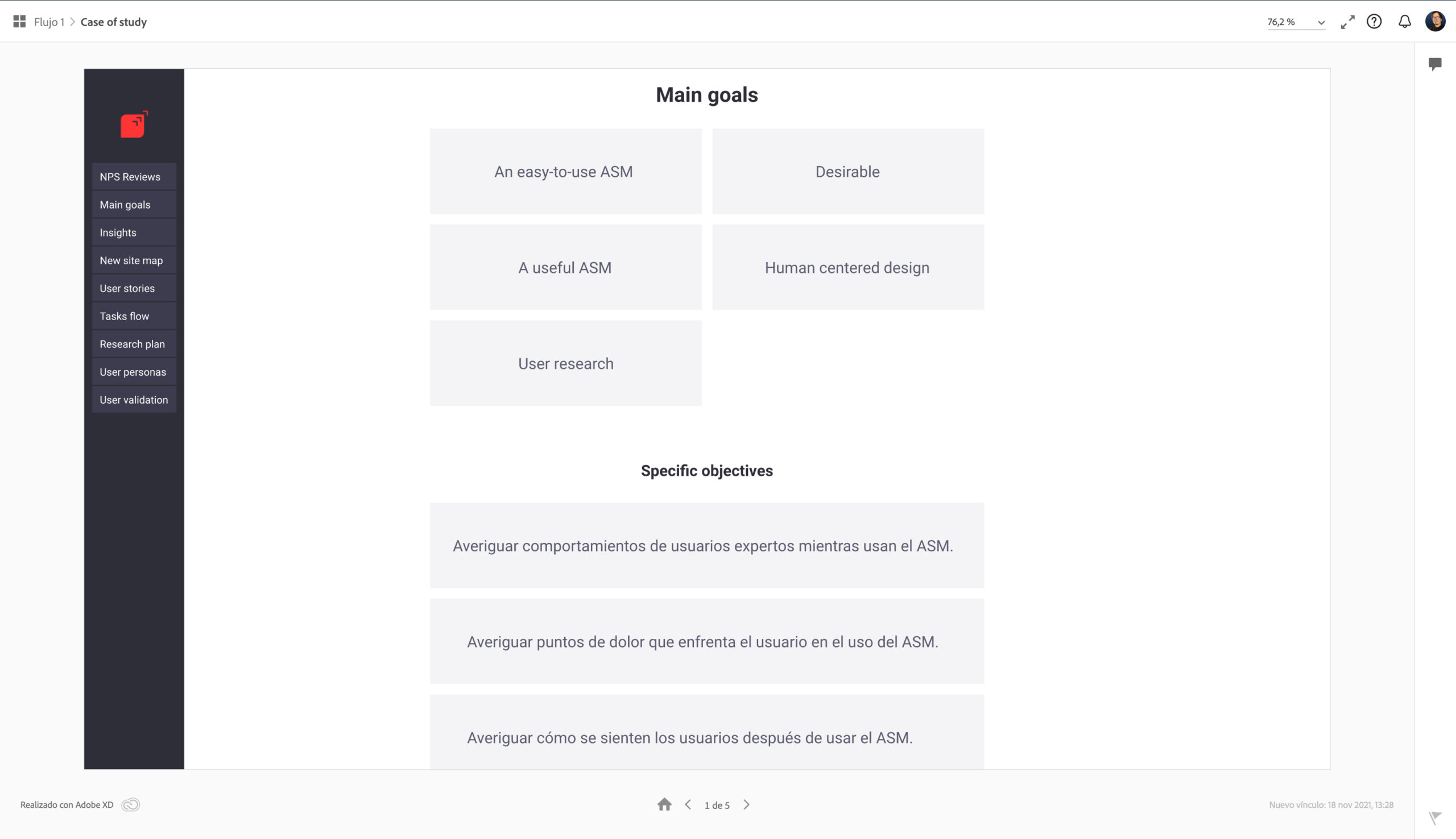
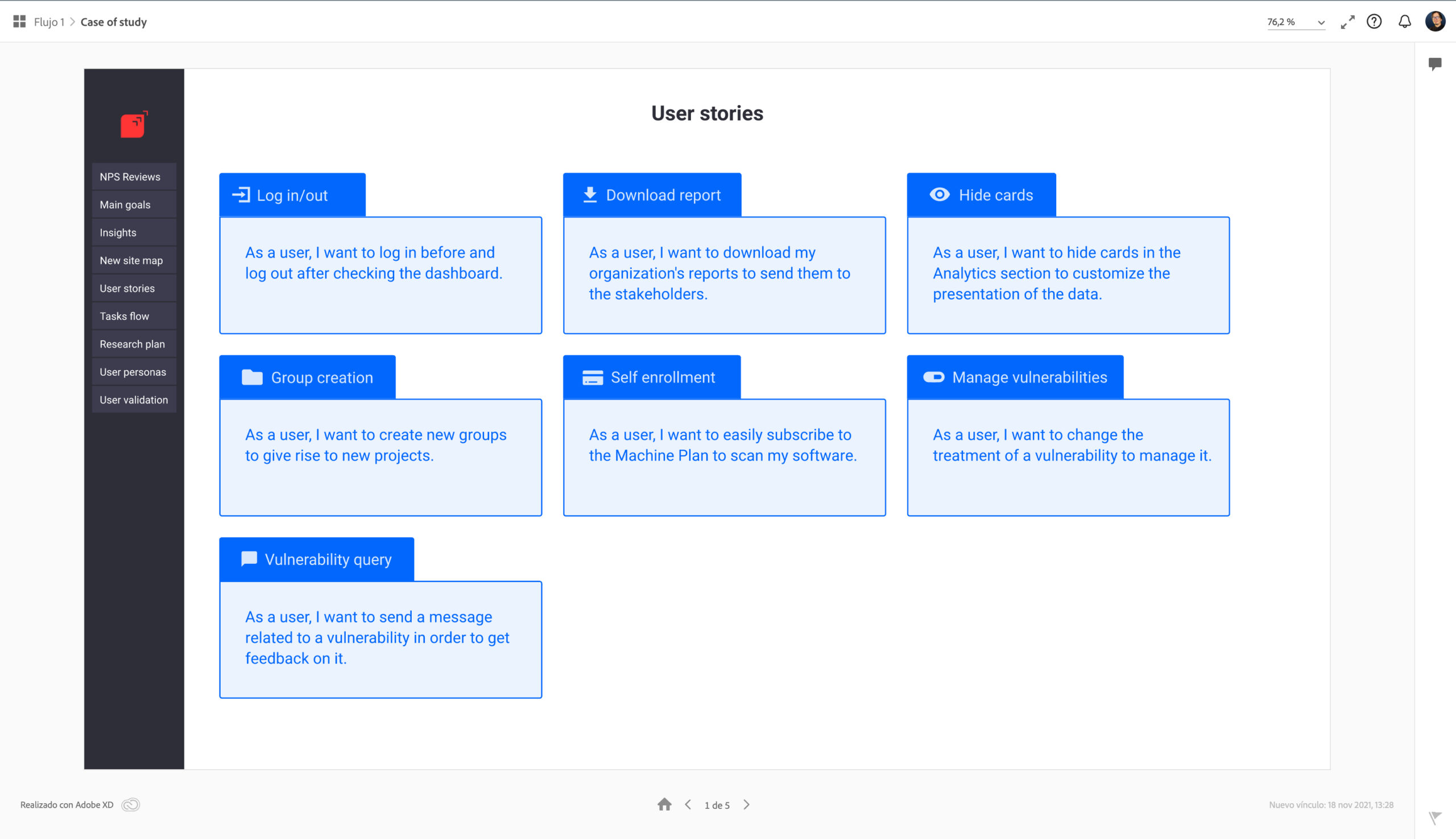
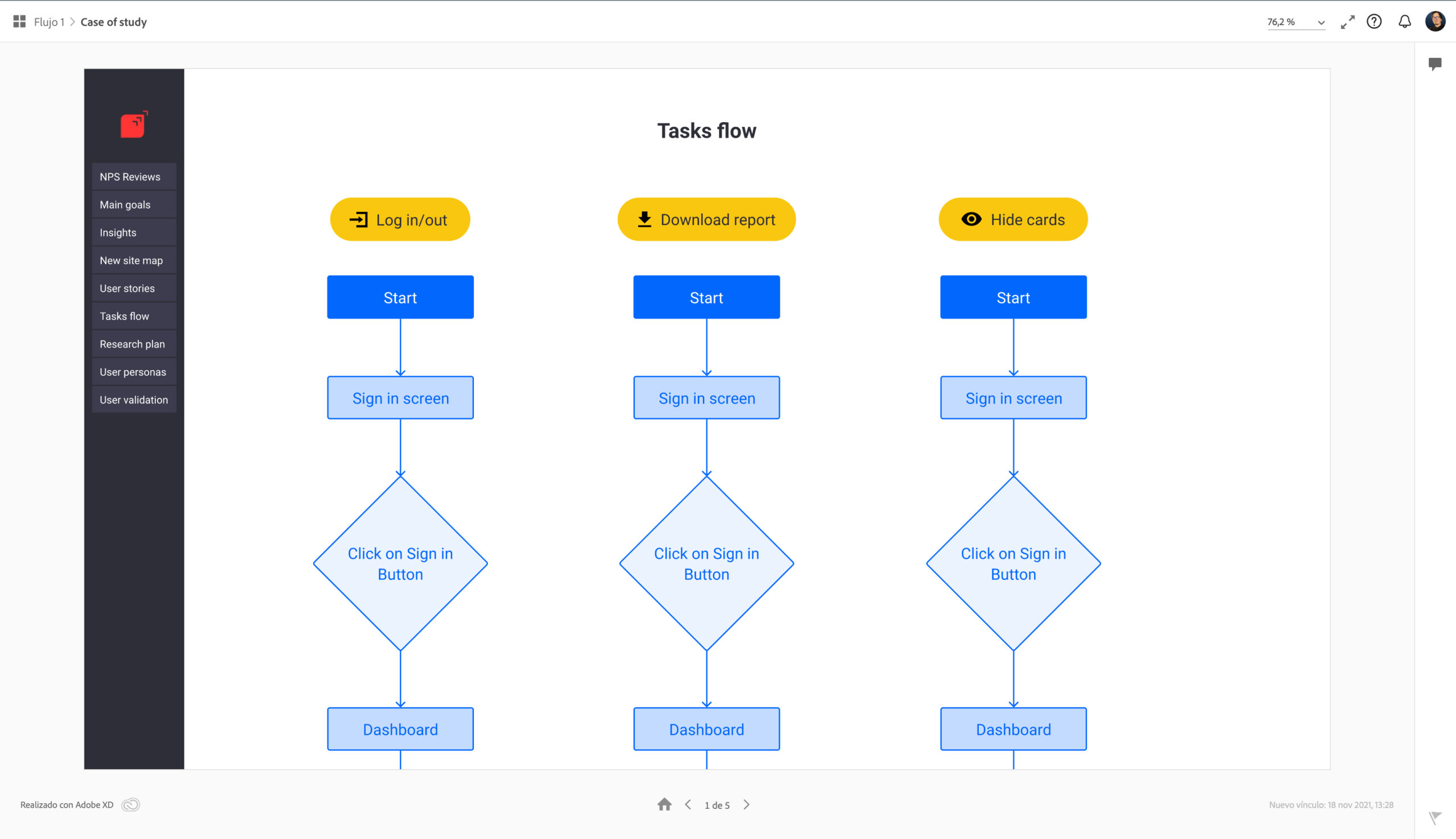
Process
Solution
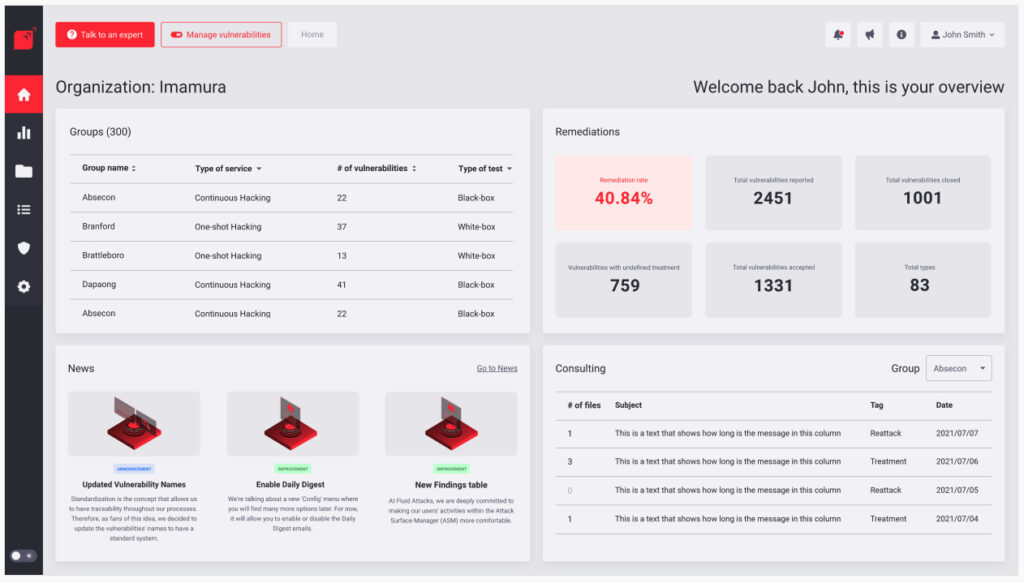
I redesigned the ASM from the ground up across five dimensions:
- Session management: Eliminated arbitrary session timeouts that were interrupting active workflows
- Technology migration: Improved underlying performance to resolve slow load and download times
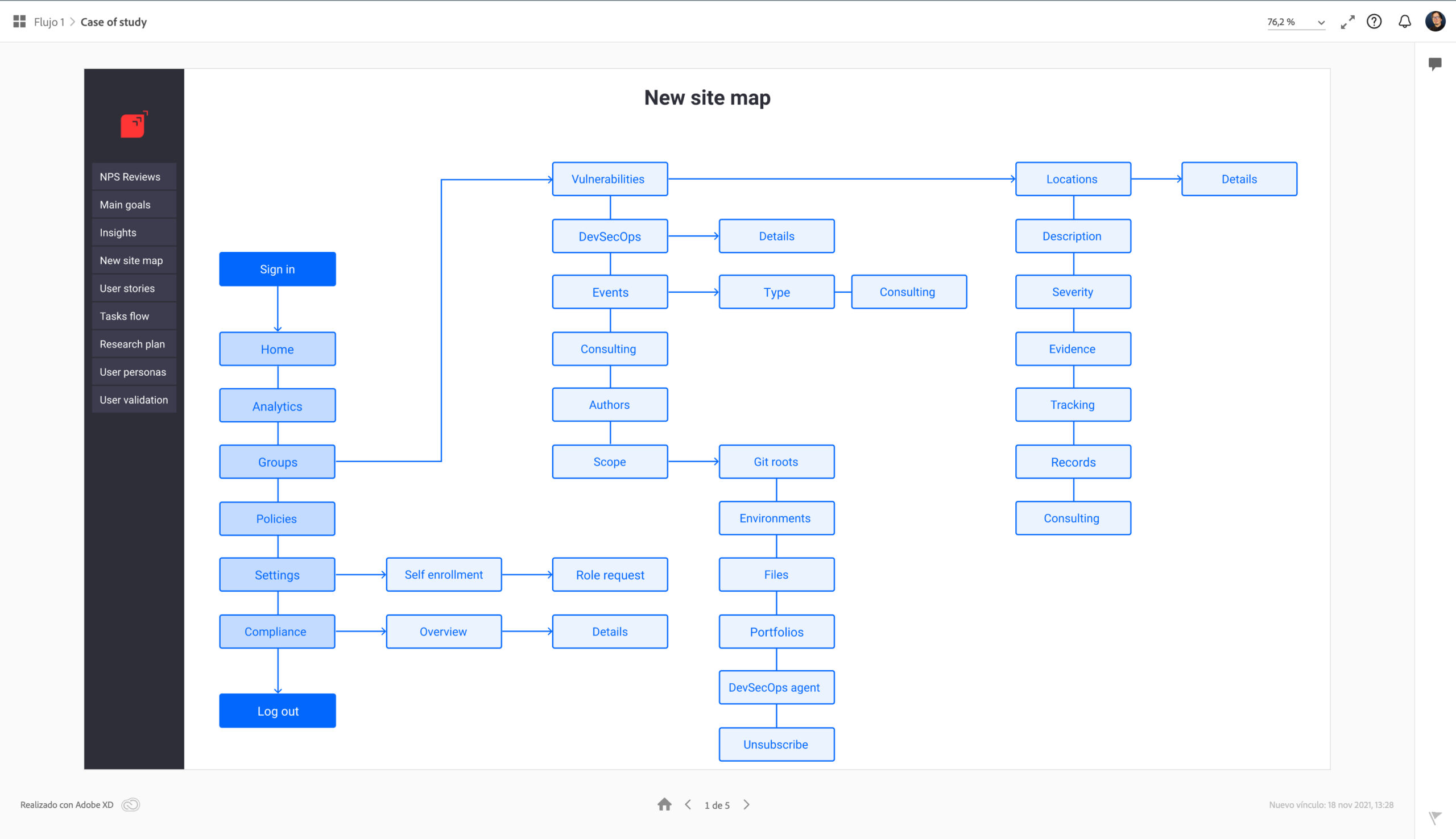
- Information architecture: Rebuilt the navigation structure, removing duplicated sections and clarifying task groupings
- Component library: Created a scalable atomic design system used by the entire product team
- User flows: Simplified all primary workflows to reduce cognitive load and task completion time
Results
Key Learnings
Being the only designer in an engineering-dominated environment taught me three things that still define how I work.
First, design decisions without data are just opinions — and opinions lose arguments in technical teams. Research gave me the credibility to drive change.
Second, a design system is not a deliverable, it’s infrastructure. Building one early in the project created compounding value for every decision that followed.
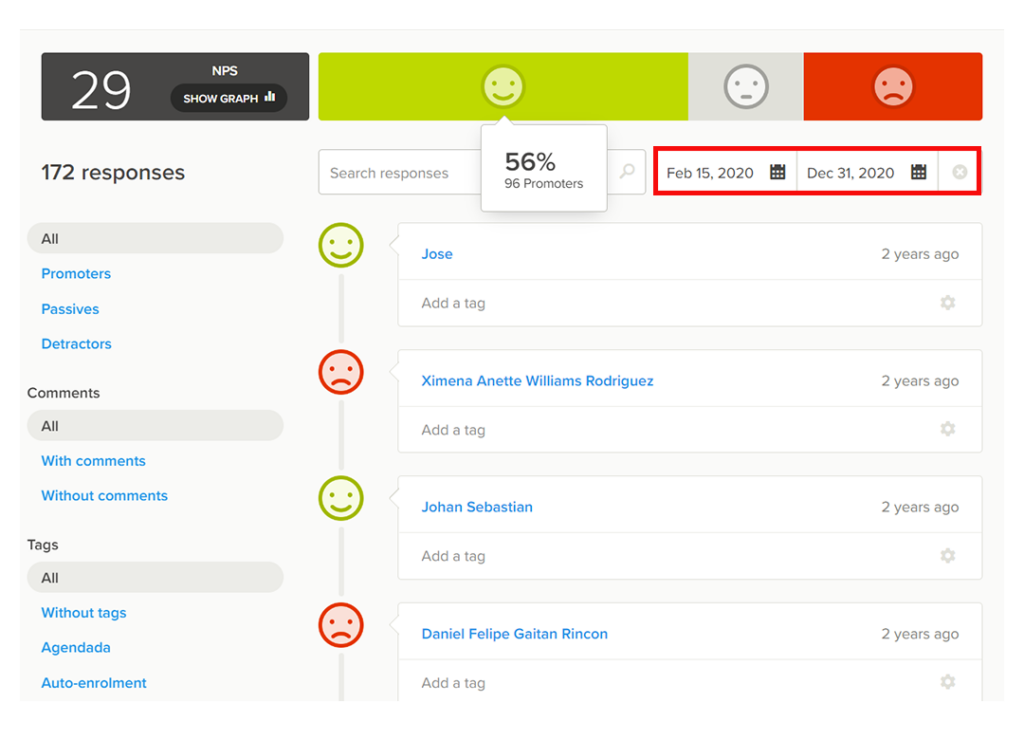
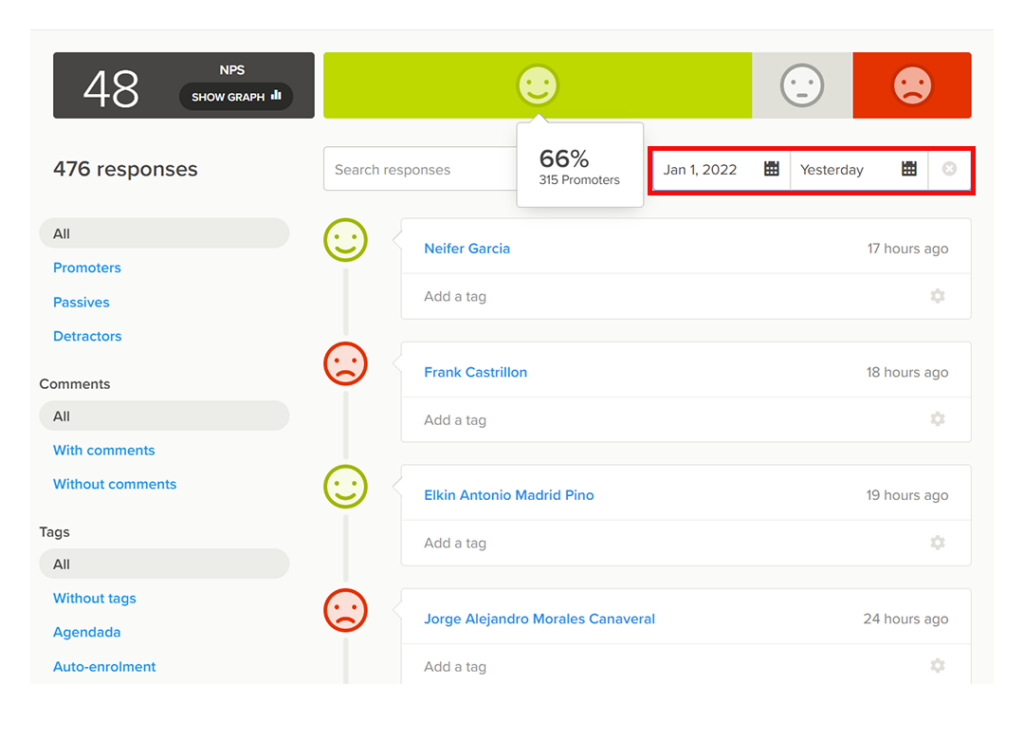
Third, impact takes time. The NPS didn’t move in a sprint — it moved over two years of consistent, research-driven iteration. Senior design work is about sustained execution, not single launches.
"Jorge is a highly creative professional who will undoubtedly put that creativity to work in the best interest of any company he joins. He has the ability to take an existing system and rebuild it with a user-first mindset — making it more intuitive and accessible for the people who use it every day"

Mateo Gutierrez
"Easy to communicate and open to reviewing changes properly."
Bryan Zapata
"I recently had the opportunity to work with Jorge on the design of a mobile app, and he demonstrated his ability to understand requirements and transform them into an intuitive design."

Juan Echeverri
"Jorge is organized, methodical, and creative. With excellent communication skills, he takes ideas to the next level, always focusing on the user and best design practices."

Marcela Hincapie

